
Illinois cannabis operators just got a clearer picture of where the state's market is headed, and it's not a small adjustment. The state's 2026 Annual Cannabis Report lays out a market expanding on two fronts at once - consumer demand climbing and the regulatory structure underneath it getting rebuilt in real time. For dispensary owners, multi-state operators, and the compliance teams keeping them out of trouble, that combination changes how the next year of planning needs to look.
The Omnibus Bill Changes the Math for Operators
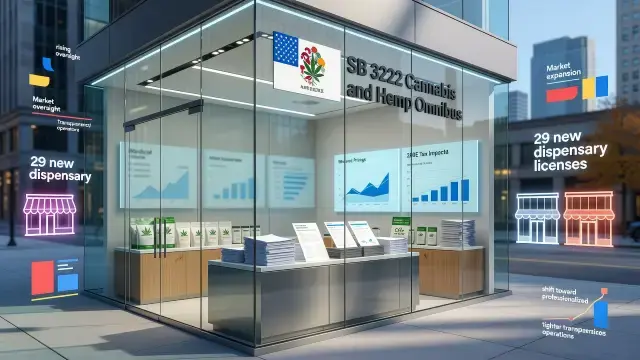
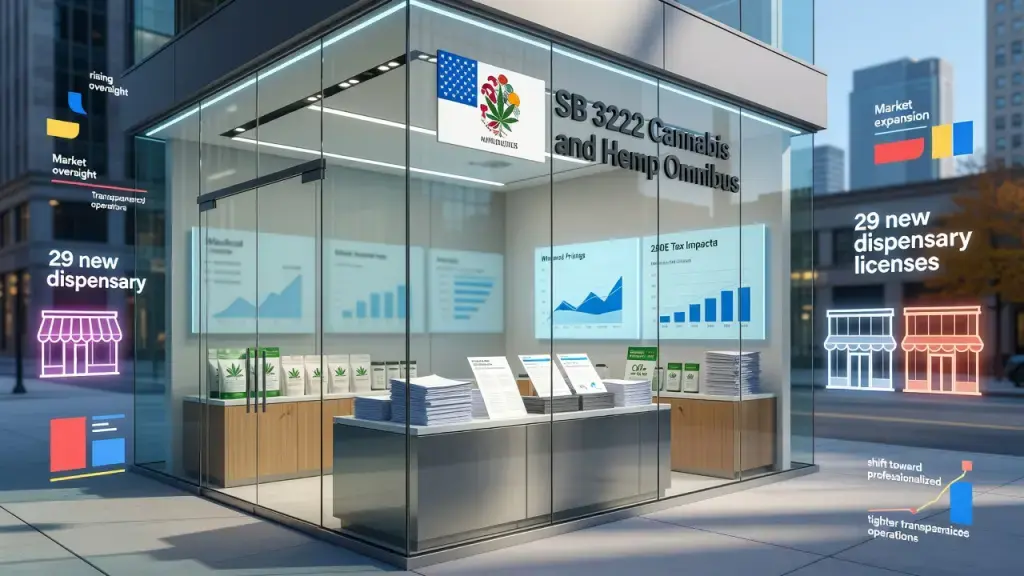
SB 3222, the Cannabis and Hemp Omnibus signed into law in June 2026, is the headline item here, and it touches more parts of the business than its name suggests. The provision allowing adult-use dispensaries to serve medical patients through an opt-in process is the one operators will feel first. In practice, though, this isn't a free pass - it still requires stores to build out the compliance scaffolding medical sales demand: patient verification, separate recordkeeping, and alignment with METRC reporting so inventory tracked for adult-use doesn't get crossed with medical allocations. For dispensaries that opt in, it's a chance to consolidate foot traffic and stop losing patients to standalone medical-only locations. For others, it's an operational decision with real cost attached, not just a box to check.
The ownership transparency requirements in the same bill matter just as much, if less visibly. Investors and lenders evaluating cannabis deals have long dealt with opaque ownership structures - a holdover from an industry built fast under license caps and social equity carve-outs. Tighter disclosure rules mean cleaner due diligence going forward, but they also mean operators with layered ownership arrangements need to get their paperwork in order before the state comes asking.
Sales Records Don't Erase the Pressure Underneath
More than 5 million adult-use items sold in a single month is a notable marker for Illinois, and the 9% year-over-year sales growth in August says the market isn't plateauing. Here's the catch: record sales volume doesn't automatically mean healthier margins. Wholesale pricing has been under pressure across mature cannabis markets for years, and Illinois operators know that top-line growth can mask thinning unit economics, especially with 280E still limiting what cannabis businesses can deduct at the federal level. Strong sell-through is good news for retail viability, but it's not the whole story on profitability.
The 29 new dispensary licenses issued in fiscal 2026, pushing the retail footprint up more than 10%, add another layer. More storefronts generally means more consumer access and, in theory, downward pressure on prices as competition increases. For existing operators, it also means market share gets split further - a dynamic that tends to squeeze smaller, single-location stores harder than vertically integrated multi-state operators with wholesale and cultivation revenue to lean on.
Compliance Scrutiny Is Rising Alongside the Market
State regulators conducted 755 dispensary inspections in FY2026, up from 625 the year before - a meaningful jump in enforcement capacity. That increase tracks with added regulatory staffing, and it signals something operators should take seriously: Illinois isn't just expanding access, it's expanding oversight to match.
For store-level teams, this raises the stakes on the basics that sometimes get treated as secondary - compliant packaging, accurate lab testing documentation and COAs on file, point-of-sale systems that reconcile cleanly with seed-to-sale tracking, and age-verification protocols at the door. Inventory shrinkage, mislabeled batches, or gaps in delivery manifests are the kinds of issues that draw findings during inspections, and a higher inspection count means less room for those gaps to go unnoticed.
- Opt-in medical sales require separate recordkeeping and patient verification systems
- Ownership disclosure rules under SB 3222 demand cleaner corporate structures
- Rising inspection volume increases exposure for compliance gaps at the store level
- New licenses expand access but intensify competition on price and shelf space
What This Means for the Year Ahead
Illinois' market is growing up, not just growing. Expanding access, tighter transparency rules, and a more active regulatory presence point toward a state trying to professionalize an industry that, a few years ago, was still finding its footing. For operators, investors, and suppliers, the opportunity is real - but so is the compliance burden that comes with it. Businesses that treat regulatory change as background noise rather than a planning input are the ones most likely to get caught flat-footed when the next inspection cycle comes around.


