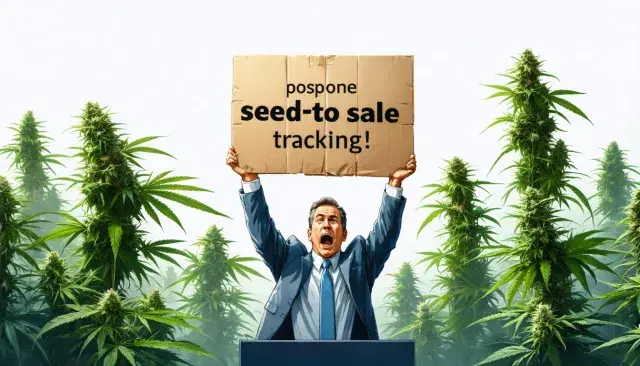
A press release from the office of Rep. Andy Barr (R-KY) says the White House backs his new bill to keep hemp-derived THC products legal. That's not quite what happened. An administration official declined to endorse the specific legislation, and sources tell Marijuana Moment the sticking point is inhalable hemp products - vapes, smokable flower, and similar formats that regulators view differently than drinks or edibles. The gap between the press release and the actual administration position matters, because it leaves hemp beverage brands, retailers, and compliance teams guessing about which version of "reform" will actually reach the President's desk before broad federal recriminalization of hemp takes effect in November.
For operators, this is not an abstract Washington dispute. It's a supply chain and inventory question. A dispensary or hemp retailer stocking shelves for the fourth quarter needs to know whether inhalable hemp SKUs will still be sellable in ninety days, and whether wholesale menus need to shift toward beverages and edibles instead. Multi-state operators running licensed cannabis alongside hemp-adjacent lines face the same compliance logs and batch tracking regardless of which federal lane a product falls into - a reminder that solid point-of-sale infrastructure, like the point-of-sale for Michigan dispensaries offered through platforms built for regulated retail, matters just as much for hemp compliance as it does for adult-use marijuana. Seed-to-sale tracking and clean COA documentation don't stop being relevant just because a product is federally hemp-derived rather than state-licensed cannabis. point-of-sale for Michigan dispensaries
The Wine & Spirits Wholesalers of America backing Barr's bill adds a wrinkle worth watching. The group wants hemp-derived THC beverages "treated like beverage alcohol" - meaning age verification, licensed distribution tiers, and excise-style taxation rather than the largely unregulated gas-station model that's defined hemp drinks so far. That's a meaningful shift for any brand or retailer that's built wholesale relationships assuming light-touch hemp rules. The alcohol distribution lobby has money and lobbying muscle that hemp brands generally don't, and its involvement signals this fight is moving from a niche cannabis policy argument into mainstream consumer-products regulation. WSWA's own statement that the bill's tax provisions need "continued discussion" suggests even industry insiders don't have a settled position yet.
States Are Not Waiting on Washington
Minnesota's top cannabis regulator has said plainly that the Trump administration hasn't given states guidance on how it will interpret or enforce the looming hemp THC recriminalization. That's a real operational problem. State agencies set license terms, testing thresholds, and packaging rules based on federal definitions of hemp versus marijuana; without clarity, compliance teams are stuck building policy around a moving target. Expect more state regulators to speak up publicly as the November deadline approaches, particularly in markets where hemp beverages and gummies have become a meaningful retail category outside the licensed dispensary system.
Banking, Licensing, and Enforcement Keep Moving Regardless
Away from the hemp fight, the broader compliance picture keeps grinding forward. California Treasurer Fiona Ma is convening a hearing on marijuana banking access, a persistent headache tied to federal scheduling and 280E tax exposure that keeps cannabis businesses disproportionately cash-heavy and vulnerable to shrinkage. Michigan regulators filed a complaint against a marijuana business, Missouri eased its photo-ID carry requirement for cannabis employees, and New York's medical cannabis rule changes are now in effect. None of these items are dramatic on their own, but together they describe an industry where compliance obligations shift constantly across state lines - exactly the kind of fragmented regulatory environment that makes federal clarity on hemp so overdue.